
Keeping cool during the heatwave
Areas of the UK are currently under a red weather alert as temperatures soar to record highs for June, and for older people, that's not just uncomfortable. It can be genuinely dangerous.
As we age, our bodies find it harder to regulate temperature. Heat can make existing health conditions worse, particularly those affecting the heart or lungs. But with a few simple precautions, there's a lot you can do to protect yourself and to look out for the people around you.
Here's what we recommend during the current heatwave.
Check in on someone today
If you know an older neighbour, relative or Link Friend who lives alone, especially someone managing a health condition, please reach out. A phone call, a knock at the door, or a quick visit could make all the difference. This is exactly the kind of connection that our volunteers at The Link provide every week, and in weather like this, it matters more than ever.
Stay indoors between 11am and 3pm
This is the hottest part of the day. If you need to go out, wear a wide-brimmed hat, apply sunscreen of at least SPF 30, and stick to shaded areas wherever you can.
Keep your home cool
Keep curtains and blinds closed in rooms that catch direct sunlight, and shut windows during the day to stop hot air from coming in. Open windows in the evening once the temperature has dropped. It's worth identifying the coolest room in your home now, so you know where to head if you're struggling.
Cool down your body
Cool baths or showers help, but so do smaller measures throughout the day — splashing cool water on your face, running cold water over your wrists, or placing a damp cloth on the back of your neck. You can also sprinkle water lightly on your clothes.
Adjust when you do things
If you have a regular walk, move it to early morning or evening when it's much cooler. On very hot days, try to hold off on housework, gardening, or any physical tasks until the temperature drops.
Drink water, regularly
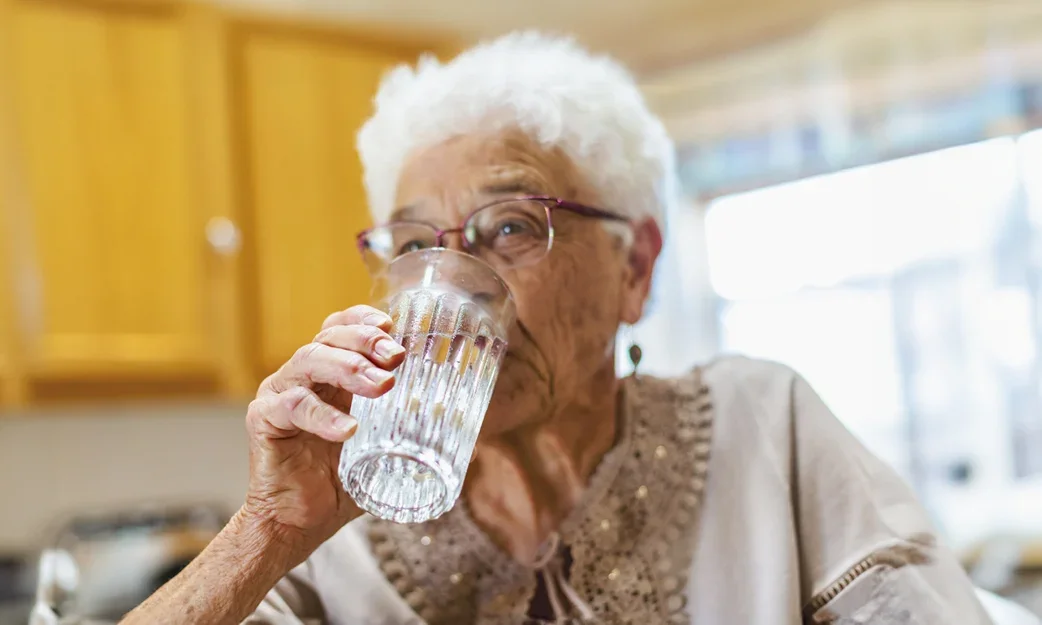
Don't wait until you feel thirsty — by then, you may already be dehydrated. Sip water throughout the day, and limit alcohol, which can make dehydration worse.
Eat as normal, with more cold foods
You don't need to change your meals drastically, but fruit and salads are particularly helpful in the heat as they have a high water content.
Know the signs of heat exhaustion and heatstroke
Heat exhaustion can include heavy sweating, dizziness, headache, nausea, and feeling faint. Move to a cool place, lie down, drink water, and cool the skin.
Heatstroke is more serious — symptoms include a high temperature, confusion, or loss of consciousness. This is a medical emergency. Call 999.